This guide explains what constitutes biohazard waste, how certified professionals handle it through legally compliant processes, which regulations govern disposal, and how to evaluate providers who can genuinely protect your facility from regulatory and operational risks.
A medical clinic discovers blood-soaked materials left behind after an emergency incident. A manufacturing facility faces contaminated surfaces following a chemical exposure. A commercial property deals with the aftermath of an unattended death. These scenarios share a critical commonality: they all require professional biohazard clean up services, not standard janitorial work.
When biohazard materials appear in your facility, the response you choose determines more than cleanliness—it defines your legal exposure, regulatory compliance status, and operational continuity. Professional biohazard cleanup isn’t simply about removing visible contamination. It’s about following documented protocols that satisfy OSHA standards, EPA regulations, and state-specific disposal requirements while protecting your business from liability that can persist long after the incident itself.
What Is Biohazard Waste?
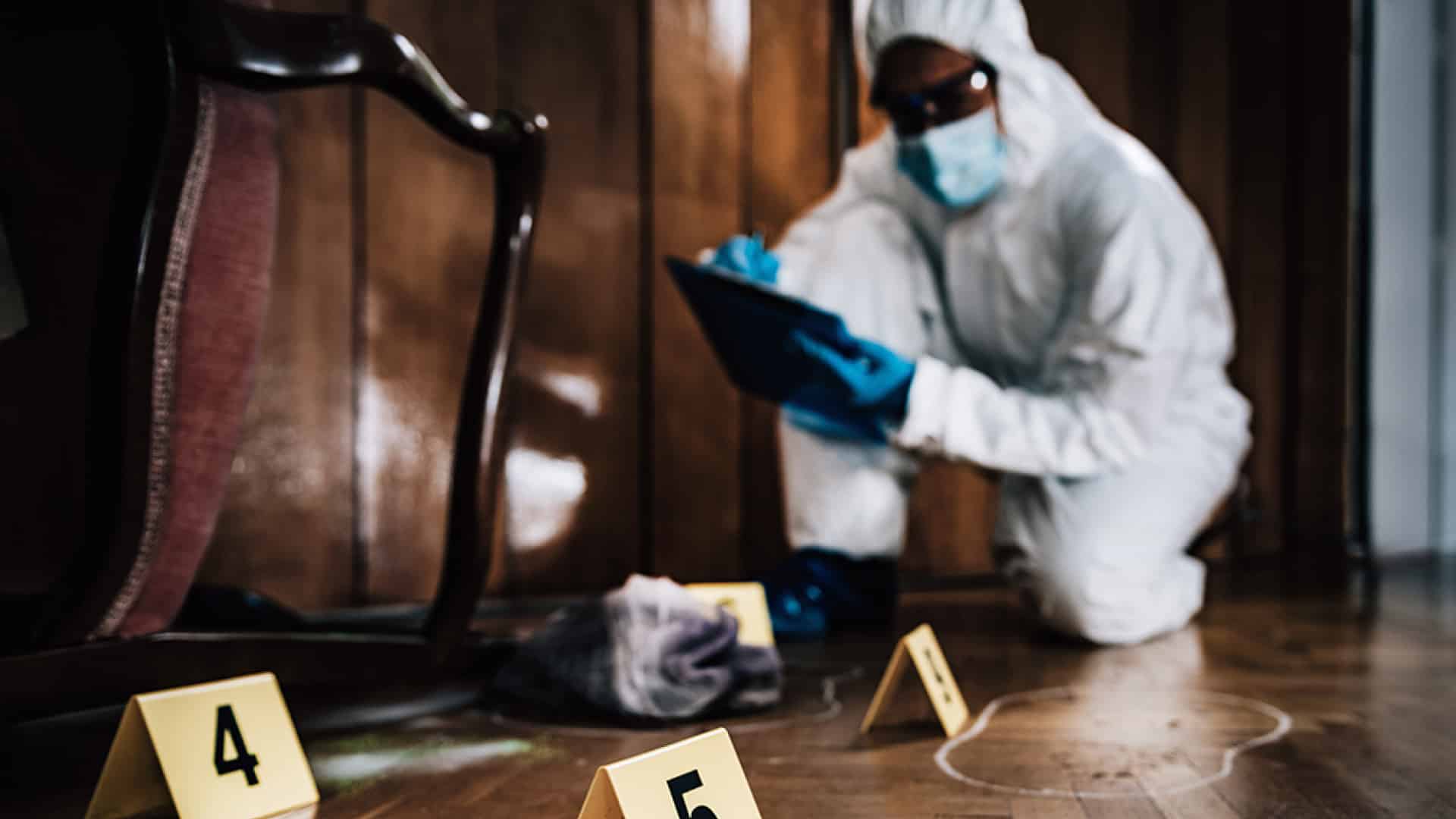
Biohazard waste includes any material contaminated with blood, bodily fluids, pathogenic microorganisms, or other potentially infectious substances. In business facilities, this encompasses blood spills from workplace injuries, tissues or fluids from medical procedures, contaminated personal protective equipment, and materials exposed during trauma incidents or crime scenes.
The defining characteristic of biohazard waste isn’t simply that it’s unpleasant—it’s that it poses documented health risks and triggers specific regulatory requirements. Standard cleaning products and techniques don’t neutralize pathogens like hepatitis B, hepatitis C, or HIV that can survive on surfaces for days or weeks. Surface-level sanitation may make an area appear clean while leaving infectious agents that create ongoing exposure risks.
Legal risk emerges when businesses treat biohazard situations as ordinary maintenance issues. Improper handling exposes employees to bloodborne pathogens, violates OSHA’s Bloodborne Pathogens Standard, and creates liability for illness or infection transmission. When biohazard waste enters regular trash streams instead of following medical waste disposal protocols, facilities face EPA violations and potential fines. Even well-intentioned cleanup efforts by untrained staff can generate compliance failures that surface during inspections or after employee health incidents.
The distinction matters because regulatory agencies don’t evaluate cleanup based on visible results—they assess whether documented protocols were followed by appropriately trained personnel using approved methods and disposal channels.
How Professional Cleanup Works
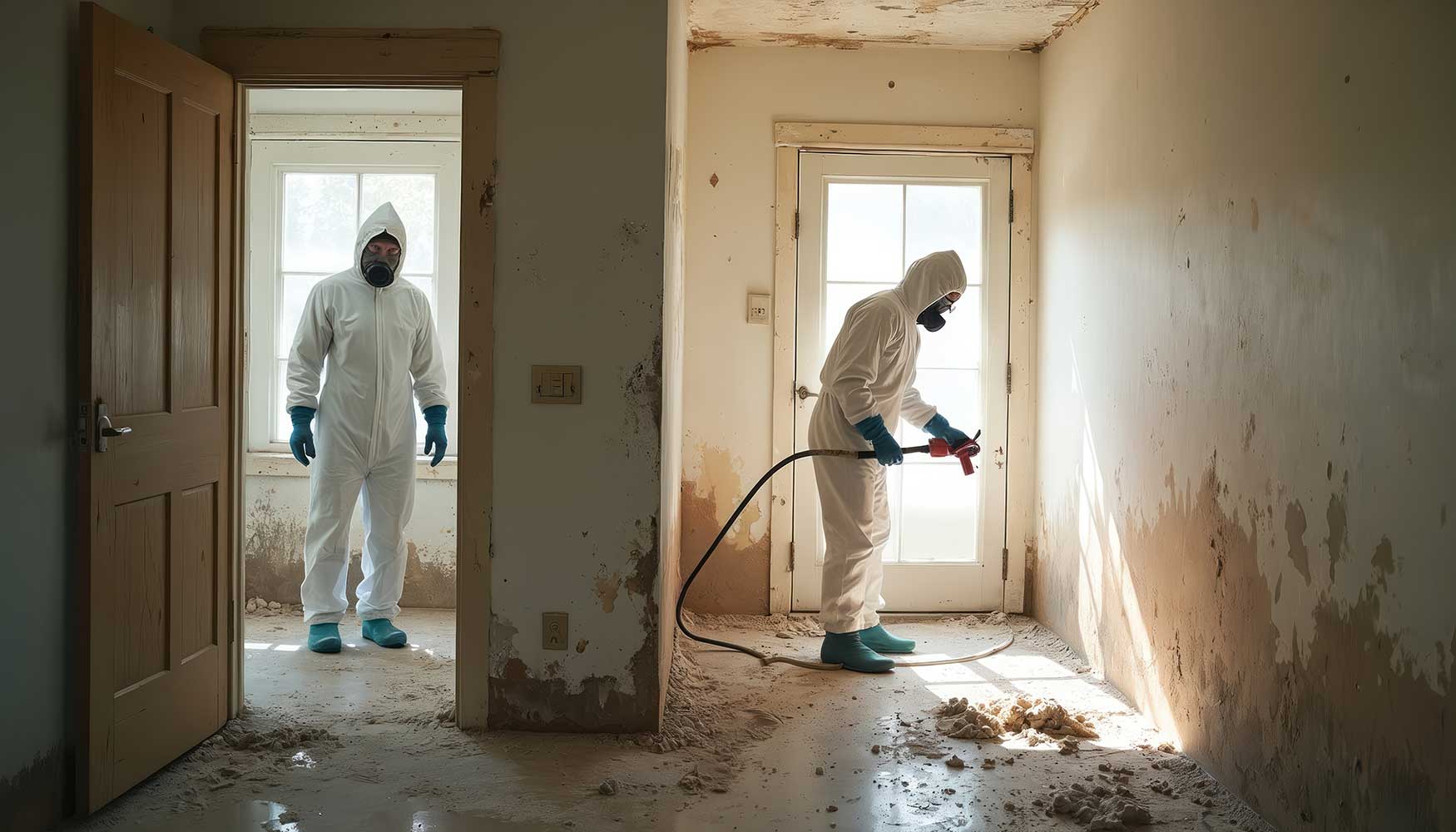
Certified biohazard remediation follows structured protocols that begin before any cleaning occurs. Professionals first establish containment zones that prevent cross-contamination to unaffected areas. This isn’t simply closing a door—it involves physical barriers, air pressure management, and controlled access points that prevent pathogen migration during the cleanup process.
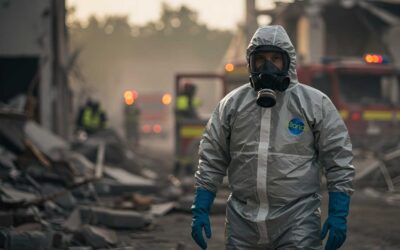
Personnel arriving for biohazard clean up services wear personal protective equipment rated for the specific hazards present: impermeable suits, respiratory protection, puncture-resistant gloves, and face shields. This equipment selection follows OSHA requirements based on exposure risk levels, not general cleaning standards. The difference protects workers while demonstrating compliance with safety regulations that apply to any business where biohazard exposure occurs.
Removal protocols address both visible contamination and materials that absorbed fluids. Porous materials like carpet, upholstery, and drywall often require complete removal because surface cleaning cannot eliminate pathogens that penetrated the material structure. Hard surfaces undergo multi-stage decontamination using hospital-grade disinfectants with verified effectiveness against specific pathogens, applied according to manufacturer contact time requirements.
The disposal phase separates professional services from inadequate alternatives. Biohazard waste must be segregated into red bags or containers marked with biohazard symbols, then transported by licensed medical waste haulers to approved treatment facilities. Each step generates documentation: manifests tracking waste from origin to destruction, certificates confirming proper disposal, and records proving regulatory compliance. This chain of custody documentation protects your facility during audits by demonstrating that waste never entered unauthorized disposal streams.
Professional providers also conduct post-remediation verification, often including ATP testing or similar methods that objectively confirm decontamination effectiveness rather than relying on visual assessment alone.
Regulations That Govern Cleanup
Multiple regulatory frameworks apply simultaneously to biohazard cleanup, creating compliance requirements that businesses cannot ignore by outsourcing the work. OSHA’s Bloodborne Pathogens Standard mandates specific practices for any workplace where employees might encounter blood or other potentially infectious materials. This includes requirements for exposure control plans, employee training, personal protective equipment provision, and post-exposure medical follow-up—obligations that remain with the facility even when contractors perform the cleanup.
The EPA regulates biohazard waste disposal through medical waste management rules that specify handling, storage, transportation, and treatment requirements. State environmental agencies often add location-specific requirements that exceed federal minimums. In California, for example, the Department of Toxic Substances Control enforces additional rules governing medical waste generators, including facilities that only occasionally produce biohazard materials.
Many businesses mistakenly believe that hiring a cleanup company transfers all regulatory responsibility. This assumption creates dangerous gaps. Facilities retain legal accountability for ensuring contractors hold proper credentials, follow required protocols, and dispose of waste through authorized channels. If a vendor shortcuts disposal requirements or lacks proper training, regulatory violations still attach to the facility that generated the waste.
The documentation requirements matter as much as the physical cleanup. Regulators expect businesses to maintain records proving who handled the waste, what methods they used, where materials went, and how destruction occurred. Without this documentation trail, facilities cannot demonstrate compliance during inspections, even if cleanup was performed correctly.
Choosing a Qualified Provider
The difference between compliant biohazard cleanup and liability-generating service failures starts with provider credentials. OSHA HAZWOPER certification (Hazardous Waste Operations and Emergency Response) represents baseline training for personnel handling biohazard materials. This certification requires documented coursework and hands-on training in hazard recognition, contamination control, and emergency response procedures. Providers unable to verify current HAZWOPER certification for their technicians lack fundamental qualifications.
Insurance coverage separates professional providers from inadequately prepared competitors. Legitimate services carry specialized pollution liability insurance covering biohazard incidents, plus workers’ compensation addressing occupational exposure risks. General liability policies typically exclude biohazard work, leaving businesses exposed if uninsured contractors cause problems or workers suffer exposure injuries.
Disposal documentation proves that providers actually follow legal waste handling protocols. Qualified services provide certificates of disposal showing waste went to licensed medical waste treatment facilities, not regular landfills. They maintain transporter licenses for moving regulated waste and can produce manifests tracking materials through the complete disposal chain. Providers who cannot or will not supply this documentation are avoiding regulatory requirements that protect your facility.
When researching biohazard clean up near me options, verify how providers handle documentation. Ask what records they provide after service completion. Request examples of disposal certificates and transporter credentials. Companies that hesitate or offer vague responses likely lack proper authorization or cut corners on disposal requirements.
Response capabilities matter for business continuity. Biohazard incidents rarely occur during standard business hours, yet delayed response extends operational disruption and increases contamination risks. Professional providers offer emergency response availability because they understand facility managers cannot wait for scheduled appointments when biohazard situations arise.
The distinction between general cleaning companies and certified biohazard remediation specialists isn’t merely technical—it’s legal. General cleaners lack the training, equipment, and disposal networks required for compliant biohazard handling. Using inappropriate services may cost less initially but creates regulatory exposure and liability risks that dramatically exceed any upfront savings.
Moving Forward With Compliance
Biohazard waste disposal represents a convergence point where operational safety, regulatory compliance, and legal liability intersect. Understanding that professional cleanup involves documented protocols, certified personnel, and verified disposal channels—not simply thorough cleaning—helps facilities avoid the costly mistakes that emerge from treating serious contamination incidents as ordinary maintenance issues.
The consequences of improper handling extend beyond immediate health risks. Regulatory violations generate fines, trigger increased inspection scrutiny, and create legal exposure during any subsequent illness claims. Inadequate cleanup leaves pathogen reservoirs that pose ongoing infection risks to employees and visitors. Missing documentation cannot be reconstructed after the fact when auditors or investigators request proof of compliance.
Professional biohazard services provide more than clean facilities—they deliver verifiable compliance, documented risk mitigation, and liability protection through proper handling chains. For business decision-makers responsible for safety and regulatory adherence, selecting qualified providers isn’t an optional enhancement. It’s a fundamental risk management requirement.
Begin evaluating local certified vendors who can demonstrate appropriate credentials, insurance coverage, and disposal authorization. Establish relationships before incidents occur so emergency response can proceed smoothly when time-sensitive situations arise. Your facility’s regulatory standing and legal protection depend on choosing providers who understand that compliant biohazard cleanup isn’t just about removing contamination—it’s about proving you removed it correctly.
Frequently Asked Questions
How is professional biohazard cleanup different from regular cleaning?
Professional biohazard cleanup involves containment protocols, certified personnel with HAZWOPER training, pathogen-specific decontamination methods, and documented disposal through licensed medical waste facilities. Regular cleaning addresses surface dirt and general sanitation but lacks the specialized training, equipment, and disposal authorization required for materials contaminated with blood, bodily fluids, or infectious agents. The difference extends beyond technique to legal compliance—biohazard situations trigger OSHA and EPA regulations that standard cleaning services cannot satisfy.
What regulations do businesses need to comply with for biohazard waste?
Businesses must comply with OSHA’s Bloodborne Pathogens Standard governing employee protection during potential exposure, EPA medical waste management rules controlling handling and disposal, and state or local regulations that often add location-specific requirements. Facilities retain legal responsibility for regulatory compliance even when using third-party cleanup providers, making it essential to verify that contractors follow all applicable rules and provide documentation proving proper waste disposal through authorized channels.
What documentation should vendors provide to prove compliance?
Vendors should supply certificates of disposal confirming waste reached licensed treatment facilities, copies of transporter licenses authorizing regulated waste hauling, proof of current HAZWOPER certification for responding technicians, and verification of specialized insurance covering biohazard incidents and occupational exposure. Many businesses overlook documentation requirements until audits or incidents create urgent need for compliance proof—by which time gaps cannot be corrected retroactively.
Who is legally liable if cleanup is mishandled—business or vendor?
Businesses typically retain primary legal liability for biohazard waste generated at their facilities, even when contractors perform cleanup services. Regulatory agencies hold waste generators responsible for ensuring proper handling throughout the disposal chain. While vendors may face separate enforcement actions for violations, this doesn’t eliminate the facility’s compliance obligations or liability exposure. Proper vendor vetting and documentation collection become critical protections against regulatory penalties and legal claims arising from mishandled cleanup.