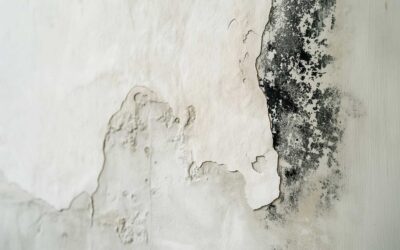
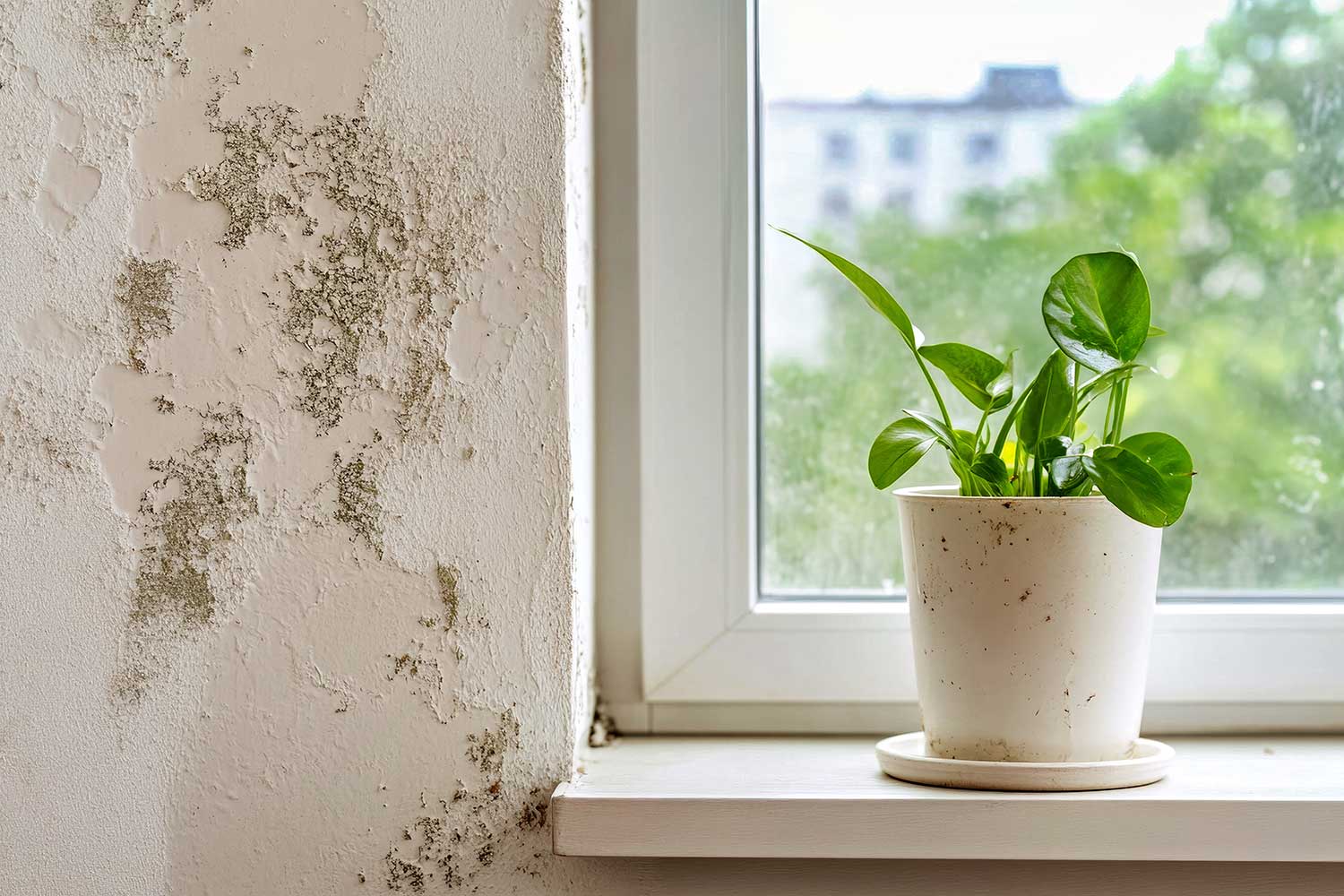
Modern apartment buildings are often assumed to carry lower risk for mold-related issues. Newer construction methods, improved materials, and more rigorous code compliance seem like they should translate into fewer moisture problems.
That assumption, however, does not hold up against operational experience. Mold-related issues in modern multifamily buildings are not declining — and in many cases, the same features that make contemporary construction more efficient can also make moisture problems harder to detect, slower to resolve, and more likely to repeat. Understanding why helps property managers make better decisions before a single complaint becomes a recurring pattern.
This article examines the building-level factors driving increased mold-related concerns in modern apartment settings, explains why multifamily construction amplifies those dynamics, and addresses what property managers operating in Los Angeles should keep in mind. The goal is not to raise alarm — it is to improve operational clarity.
Why Modern Buildings Are Still Vulnerable
Building technology has advanced considerably, but advancement does not automatically eliminate moisture risk — it redistributes it. Several characteristics of modern construction actually increase the complexity of moisture management.
Tighter Envelopes Reduce Natural Drying
Energy-efficient building envelopes are designed to minimize air exchange with the outside. That is an asset for thermal performance. It becomes a liability when moisture gets into an enclosed assembly — whether through a slow plumbing leak, condensation inside a wall cavity, or water that enters during a maintenance event. In older, less airtight construction, small amounts of moisture often dissipated passively. In a tighter modern building, trapped moisture has fewer escape paths and can persist inside wall, ceiling, or floor assemblies long after the original source is addressed.
This drying limitation matters operationally. Surface cleanup or even targeted remediation may address visible conditions without resolving what is happening inside the assembly. Recurrence then follows — not because the original work was inadequate, but because the moisture source or retained saturation was never fully identified.
Complex Systems Create More Hidden Pathways
Modern apartment buildings typically incorporate more layered building systems than older construction. Mechanical, plumbing, HVAC, and electrical components are routed through concealed ceiling assemblies, chase spaces, and interstitial cavities that were not common in earlier multifamily design. More penetrations, more transitions, and more system interactions mean more potential points where moisture can enter or collect without immediate surface visibility.
A slow drain condensate line, an improperly sealed penetration, or a loose supply-line connection may produce no visible sign for an extended period. By the time a resident notices a stain or odor, the moisture event may have been active long enough to create conditions well beyond what the visible presentation suggests. Professional mold removal in Los Angeles and similar urban markets frequently involves tracing problems that originated in system interfaces not apparent from surface inspection.
Why Apartment Buildings Amplify the Challenge
Single-family and multifamily moisture dynamics are not equivalent. Apartment buildings are shared systems, and that interconnection changes how problems originate, migrate, and repeat.
Shared Walls, Stacked Units, and Utility Chases
In a multifamily building, a moisture source in one unit may affect an adjacent unit, the unit above, the unit below, or a shared corridor space — depending on how the building’s assemblies and utilities are configured. Stacked plumbing, shared drain stacks, and common utility chases create physical pathways through which moisture can move across unit boundaries.
This means that what presents as a single-unit complaint may actually reflect a condition extending through the building. Without visibility into adjacent spaces, a property manager may dispatch a vendor to address a visible symptom in one location while the source, or a related condition, remains undetected nearby.
Recurring Minor Events vs. One Obvious Incident
Property managers are well-equipped to respond to obvious, acute events — a burst pipe, a significant roof leak, a visible flood. The operational challenge in modern buildings is often different: recurring low-volume moisture exposure that produces limited immediate visibility but accumulates over time.
Intermittent condensation from an HVAC component. A supply line that is seeping rather than spraying. Shower pan flashing that allows slow lateral migration. These sources may produce a complaint only after weeks or months of activity, and they may be addressed temporarily — then recur when the underlying condition reasserts itself.
In apartment buildings, these patterns are often more operationally disruptive than a single large event. They generate repeat work orders, repeated vendor dispatches, and resident frustration — without the clear documentation trail that a single major incident typically produces.
Ventilation Imbalance and Airflow Conditions
Bathroom and kitchen exhaust systems in apartment buildings are often interconnected or configured to share duct runs. When airflow is imbalanced — due to a blocked duct, fan failure, or degraded duct integrity — moisture-laden air from one space may not be effectively removed and can recirculate or stagnate. Over time, sustained high indoor humidity in certain unit areas can contribute to surface moisture conditions even without an active plumbing source.
What Makes the Los Angeles Context Relevant
Property managers in Los Angeles sometimes hear that the local climate reduces mold risk because outdoor humidity is relatively low compared to coastal or subtropical markets. That framing is incomplete and can lead to delayed recognition of real building conditions.
The more significant moisture drivers in Los Angeles apartment buildings are typically internal: plumbing infrastructure in an aging urban housing stock, irrigation and landscape drainage that affects ground-level assemblies, deferred maintenance on HVAC components, and condensation from cooling systems in units that operate year-round in warm conditions. Dense urban development also affects how buildings handle drainage and exterior moisture exposure.
For property managers, the Los Angeles context means that moisture risk is not seasonal or weather-dependent in the way it might be in other regions. Building systems, operational maintenance, and concealed conditions are the primary variables — which means those factors, rather than outdoor conditions, should be the focus of ongoing attention.
What Property Managers Should Recognize Before Issues Repeat
Early operational recognition of potential patterns is more valuable than rapid reactive response after recurrence. Several signals are worth taking seriously before they become established problems.
Repeat Complaints in the Same Location
A second complaint in the same unit area, or a third work order in the same building zone, is an operational signal worth examining more carefully than a single incident. Repeat location patterns often indicate that prior responses addressed visible conditions without reaching the moisture source. Documenting the location, timing, and scope of each incident — even when they appear unrelated — creates the history needed to identify patterns and support vendor scoping.
Persistent Odors Without Visible Cause
A musty odor in a unit, corridor, or shared space — particularly one that returns after surface cleaning — may indicate active moisture conditions inside building assemblies. Odor is sometimes the earliest accessible signal that a concealed condition exists, and it should be treated as a documentation event rather than a housekeeping concern.
Multiple Units Showing Related Signals
When complaints appear across adjacent units, stacked units, or units sharing a plumbing wall or HVAC zone, the pattern may reflect a building-system condition rather than isolated individual events. This is the escalation threshold at which evaluation should move beyond unit-level response toward professional assessment of the building assembly or system involved.
Post-Remediation Recurrence
If mold-related conditions return after prior treatment, the most important question is not whether the treatment was performed correctly — it is whether the moisture source was fully identified and corrected. Recurrence almost always points to an unresolved source condition. Each recurrence event should prompt a deliberate review of whether the scope of prior evaluations was adequate.
Next Steps
Increasing mold-related concerns in modern apartment buildings are not a paradox — they reflect the reality that building efficiency, system complexity, and shared-building dynamics create new moisture management challenges even as construction quality improves. For property managers, the most valuable shift is recognizing that visible symptoms are rarely the complete picture.
Source identification, pattern recognition, and early documentation are the operational foundations that reduce repeat incidents, improve vendor communication, and protect both asset condition and resident confidence. When building-specific conditions suggest a broader issue, professional evaluation — including qualified assessment of concealed assemblies and moisture sources — provides the clearest path to resolution.
Frequently Asked Questions
Why can newer apartment buildings still have mold-related problems?
Newer buildings may be better sealed and more system-heavy, but that does not eliminate moisture risk. When water enters enclosed areas or airflow is imbalanced, tighter construction can reduce drying potential and make hidden moisture harder to detect. Complex building systems also create more potential pathways for concealed moisture migration — conditions that older, less airtight construction handled differently.
Is this mainly a Los Angeles humidity issue?
No. Outdoor humidity levels in Los Angeles are relatively low compared to many other markets. The more significant drivers in this region are typically internal: plumbing conditions, drainage patterns, HVAC performance, and deferred maintenance. Building operation and concealed moisture pathways are generally more important variables than regional climate assumptions.
Questions Worth Asking
Can repeated minor moisture events matter more than one major event?
Yes. Repeated low-level moisture exposure is easy to underestimate, especially when the visible impact appears limited each time. Over time, recurrence in the same location may be more operationally significant than a single obvious incident that receives immediate attention and documented follow-through. Patterns matter more than individual events.
Can one resident complaint point to a broader building issue?
Yes. In multifamily buildings, a single complaint can sometimes reflect conditions tied to shared systems, adjacent units, or recurring moisture sources that extend beyond the reporting unit. When the location, timing, or nature of a complaint suggests connection to building systems — plumbing stacks, shared HVAC, common utility chases — professional evaluation of the broader building condition is appropriate before concluding the issue is isolated.