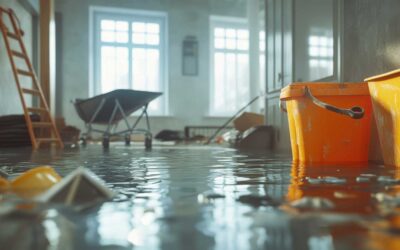
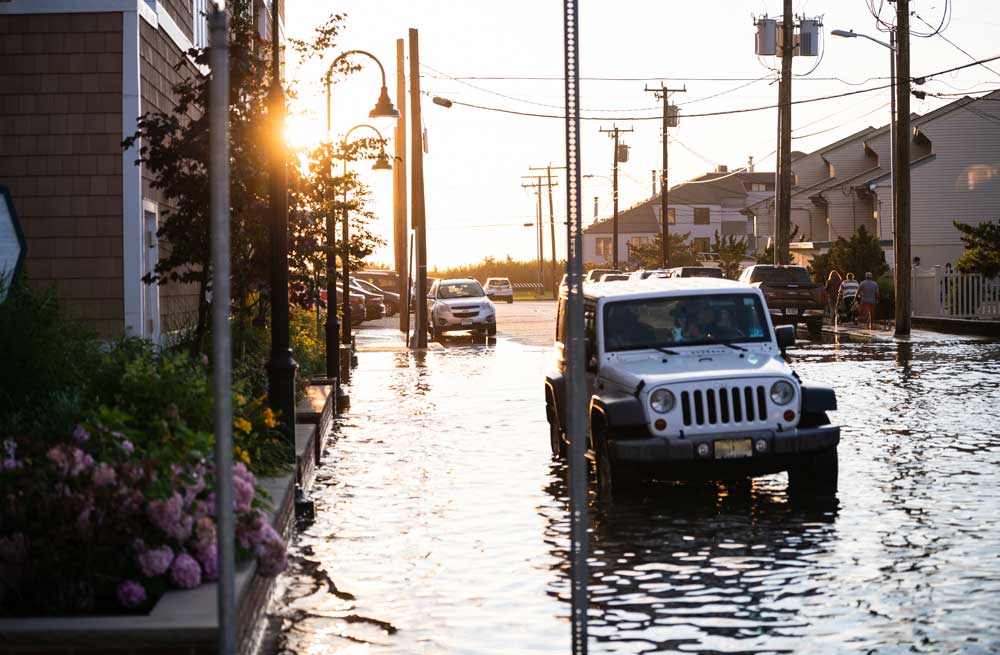
Last week, waves driven by Hurricane Rachel broke through a 30-foot section of the wooden bulkhead protecting the Long Beach Peninsula — the neighborhood’s last line of defense against the ocean. Seawater reached homes along Seaside Walk, several buildings were red- or yellow-tagged by city inspectors, and residents spent Friday morning standing in ankle-deep floodwater, as reported by the Long Beach Post.
It was the second round of hurricane-driven surf to hit the Peninsula in a matter of weeks, and the city is bracing for more rain and high tides. For homeowners along the coast — in Long Beach and in low-lying communities across Southern California — the storm itself is only chapter one. What happens inside a flooded home over the next days and weeks is chapter two, and it’s the part most people underestimate.
The 72-hour mold window
Mold doesn’t wait for insurance adjusters. In a Southern California climate, mold growth can begin on wet drywall, carpet, and framing within 24 to 72 hours of water intrusion. And seawater flooding is deceptive: once the visible water recedes, moisture keeps wicking up through drywall and insulation, trapped inside wall cavities where fans and open windows can’t reach it.
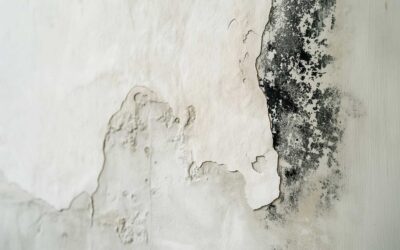
A floor that feels dry by Sunday can be feeding mold colonies inside the walls by the following weekend. The signs usually show up later — a musty odor, staining along baseboards, allergy-like symptoms that get worse at home. By the time mold is visible on a surface, there is often substantially more behind it.
Surface-drying is not the same as structural drying. If floodwater stood in your home for more than a few hours, the materials it touched — drywall, baseboards, carpet pad, insulation — need to be evaluated, not just aired out.
The older-home problem: don’t start tearing things out
Here’s the part of flood recovery that coastal homeowners are rarely warned about. Many of the homes along the Long Beach shoreline — like much of Southern California’s beach housing — were built decades ago, when asbestos-containing materials were standard construction: flooring and flooring adhesives, drywall joint compound, ceiling textures, pipe insulation. Older layers of paint may contain lead.
Those materials are generally safe when they’re intact and undisturbed. The danger comes during demolition — and flood cleanup is demolition. Ripping out water-damaged flooring or cutting away soaked drywall in an older home can release asbestos fibers or lead dust into the air, turning a water problem into a contamination problem that affects the whole house.
California regulates this for good reason: asbestos and lead removal must be performed by licensed abatement professionals, with proper containment, so hazardous material leaves your home safely instead of circulating through it.
If your home was built before the 1980s, treat any flood-damaged material as “check before you wreck.” The few days it takes to handle suspect materials properly is nothing compared to the cost — and health risk — of contaminating a home during a rushed tear-out.
What to do right now if your home took on water
Put safety first. Follow the city’s guidance, and don’t enter red-tagged buildings. Watch for electrical hazards anywhere water reached outlets or panels.
Document everything. Photograph and video the damage before you move or discard anything — your insurance claim depends on it.
Get the water out and the air moving. Remove standing water, run fans and dehumidifiers, and open wall cavities to airflow only where materials are modern and known-safe.
Pull wet porous items quickly. Rugs, upholstered furniture, cardboard, and bedding that soaked in floodwater are mold accelerants. Seawater contamination makes most of them unsalvageable.
Hold off on demolition in older homes. Don’t cut, sand, scrape, or rip out flooring, drywall, or ceiling material in a pre-1980s home until suspect materials have been properly assessed.
Watch the calendar. If a home isn’t thoroughly dry within about three days, assume mold is developing — even if you can’t see it yet.
If the damage is more than you can handle
Alliance Environmental Group has served Southern California communities for decades, with a Los Angeles-area team that covers Long Beach and the surrounding coast. When storm damage turns into a mold, asbestos, or lead problem, our licensed crews handle the remediation safely and in full compliance with California regulations — containment, removal, and cleanup, done right the first time.
If Hurricane Rachel left water in your home, don’t wait for the musty smell. Contact Alliance Environmental Group today for help getting your home safely back to normal.